How Many Hours of Wedding Photography COverage Do You Really Need?
One of the most common questions couples ask when planning their wedding is:
“How many hours of photography do we actually need?”
The honest answer? It depends on your day, your priorities, and the unique flow of your venue. After photographing weddings across Vermont for years, I’ve learned that the right amount of coverage isn’t just about hours — it’s about making sure your story has room to unfold naturally.
Here are a few things I help couples think about when deciding how much photography coverage they need.
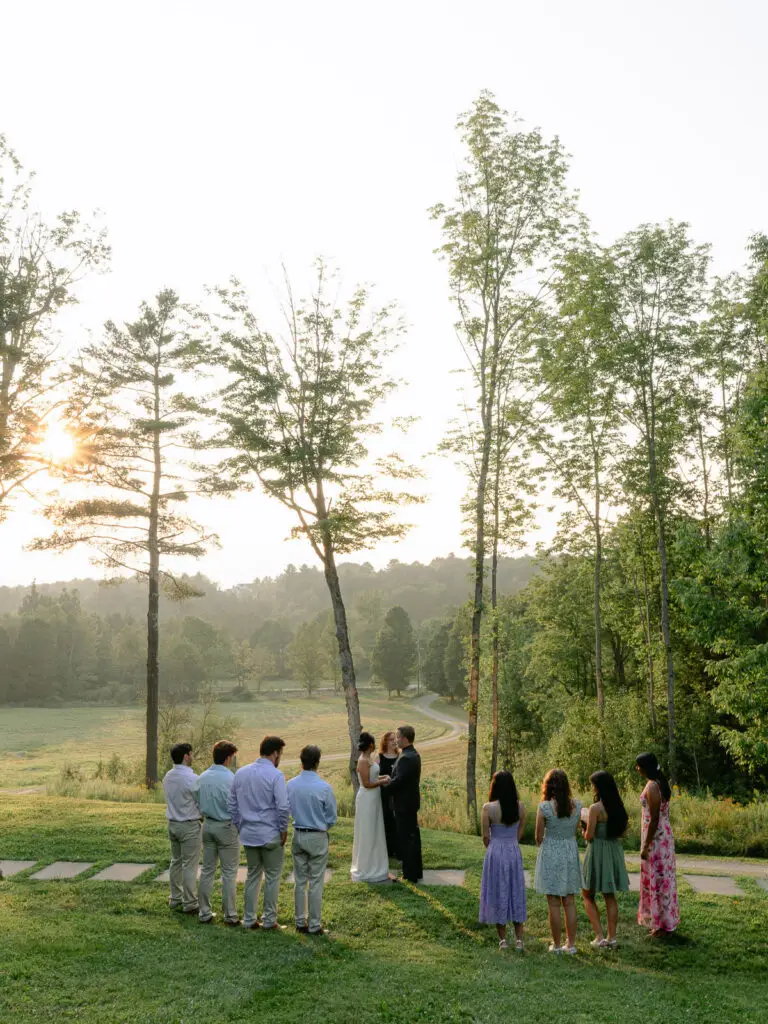
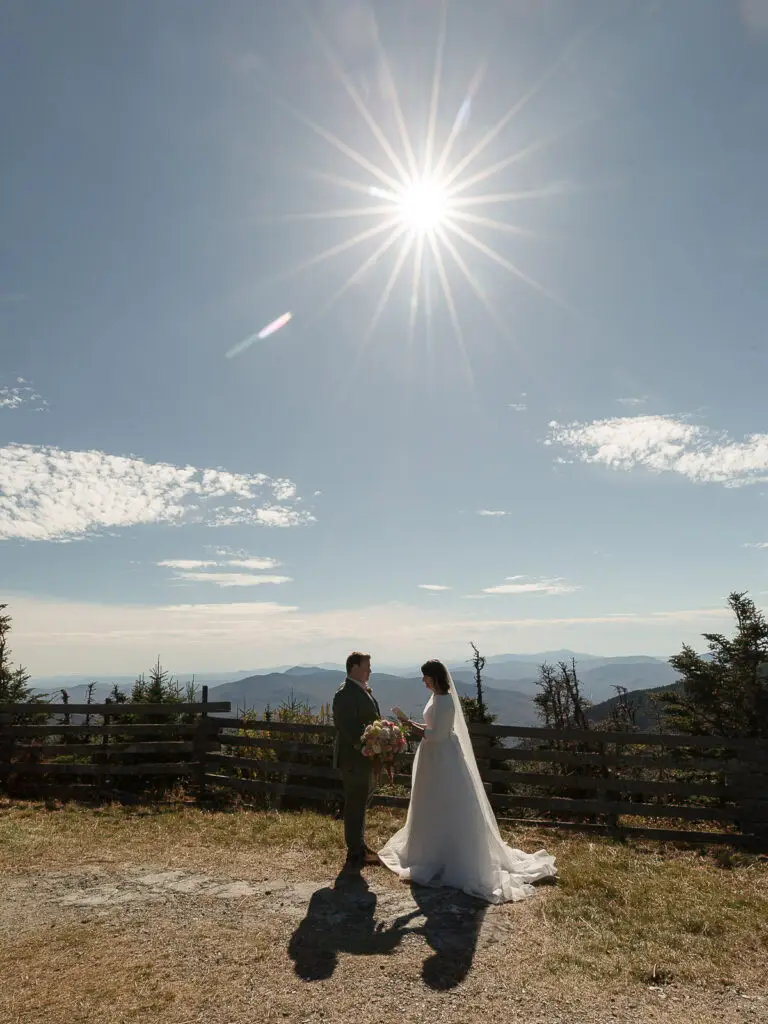
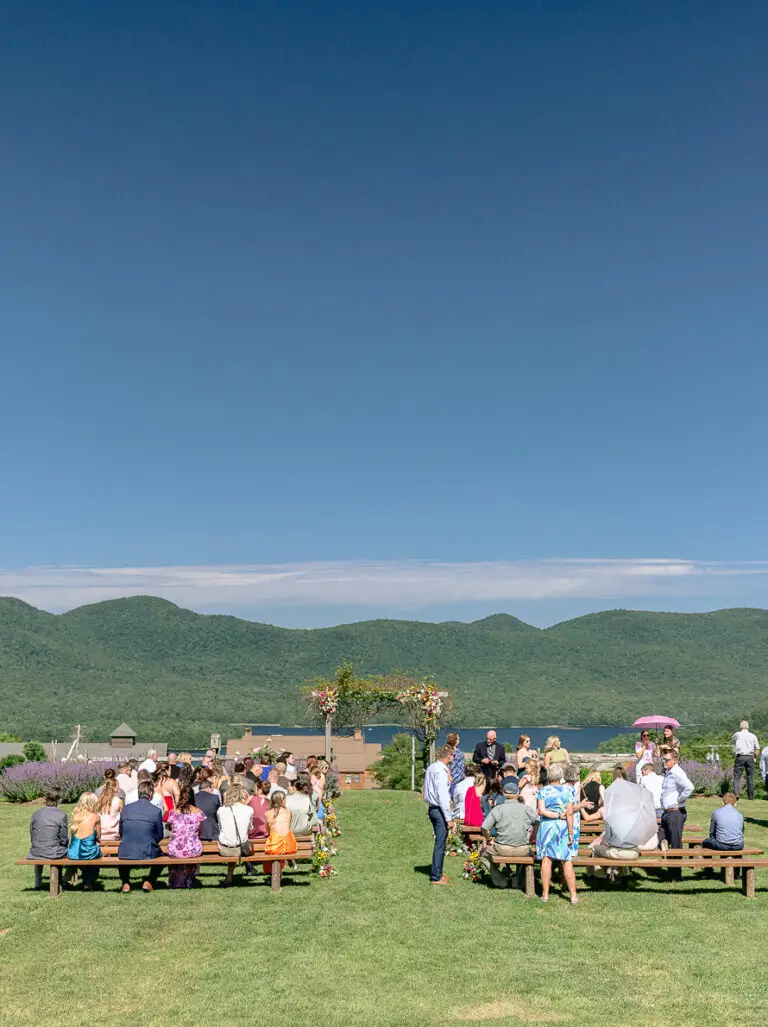
In Vermont especially, the physical size of the property can have a huge impact on your timeline.
For example, imagine a wedding at Jay Peak Resort where a couple wants portraits at the summit before their ceremony down by the pond. That adventure alone can take a good amount of time — and it’s completely worth it for those epic mountain views.
Compare that to a venue where everything is tucked close together and the timeline flows more easily from one space to the next.
The same thing happens at larger venues like:
These places are incredible for weddings because they offer so many beautiful locations. But that also means more travel time between moments, which often requires a little more photography coverage.
2. How Much of Your Day Do You Want Documented?
Another big question is simple:
Do you want just the ceremony documented, or the full story of the day?
Some couples want coverage that starts just before the ceremony and ends shortly after the first dances. Others want the entire experience documented — from getting ready in the morning to the energy of the dance floor later that night.
Both are perfect choices. It just depends on what parts of your day you want to look back on.
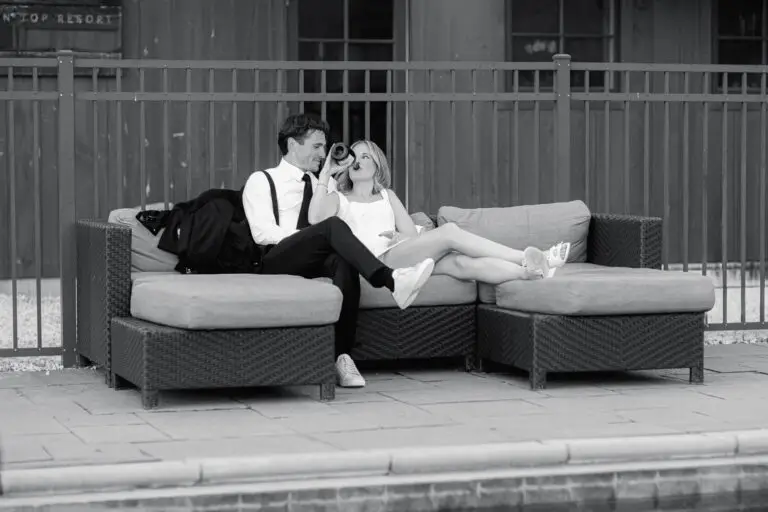
If you only book a few hours, you’ll capture the core moments. But when couples choose more complete coverage, they often end up with images of the quiet, emotional, in-between moments that become some of their favorites.
3. Guest Count Can Affect Your Timeline
The size of your wedding also plays a role.
If you’re planning an intimate wedding with 25 guests, the timeline often moves naturally and quickly. Family photos are simpler, and transitions between moments tend to be smoother.
With 100+ guests, things naturally take more time — greeting guests, organizing group photos, and moving everyone between events.
More people usually means a little more breathing room is helpful in the timeline.
4. The Most Common Timeline Mistakes Couples Make
Over the years, I’ve noticed a few things couples often underestimate.
Travel time between locations
Even short drives can add up quickly, especially if traffic or shuttles are involved. When there isn’t enough buffer time, the entire timeline can start running behind.
How long it actually takes to get dressed
This one surprises people.
Putting on a wedding dress — especially with buttons, bustle details, or a lace-up back — can easily take 30 minutes. If the timeline doesn’t account for that, the morning can start to feel rushed. And finding your underwear on your wedding day is a real thing. Trust me. It happens more than you think.
Relying on a friend/guest to photograph part of the day
Sometimes couples plan for a friend who “also does photography” to grab a few reception photos.
But the truth is: they’re a guest. They want to celebrate with you, enjoy dinner, and dance — just like everyone else. That often means those moments don’t get captured the way couples hoped.If they are a good enough friend to be on that precious gust list, show them how much you really love them and don’t ask them to work.
5. Why I Love Full-Day Wedding Coverage
Personally, I love offering full coverage for weddings.
When couples have flexible coverage, the day feels relaxed and natural. The timeline doesn’t have to be squeezed into tight windows, and we can leave space for moments that make Vermont weddings so magical.
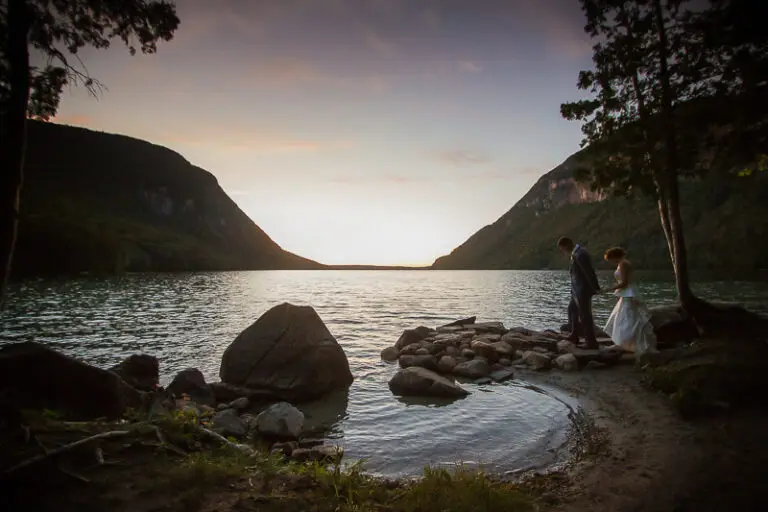
Maybe during the reception we notice an incredible sunset and sneak away for five minutes of portraits.
Maybe the stars come out later in the evening and we step outside for a quiet moment together.
Those spontaneous moments often become some of the most meaningful images of the entire day.
When coverage is limited to just a few hours, it can make those opportunities harder to capture — and that always makes me a little sad because I want couples to have the wedding day they’ve been dreaming about.
A Real Example from a Vermont Wedding
I once photographed a wedding at Jay Peak Resort where the bride was getting ready in the Tram Haus while the groom was in a nearby condo.
The couple loved the idea of documenting both of their mornings before the ceremony, but because of the distance between locations and the shorter package they booked, we had to choose just one place to photograph.
If they had opted for full-day coverage, I would have been able to photograph both stories unfolding simultaneously before they met at the ceremony.
Moments like that are why coverage can make such a difference.
My Honest Recommendation
For most weddings, six hours of coverage is the minimum I recommend.
That usually allows enough time to capture the core parts of the day — the ceremony, portraits, family photos, and some of the reception.
But if you want the freedom to relax into the day, follow the light, and document the full story from beginning to end, full-day coverage is often the best experience for couples.
Your wedding day only happens once. Having the time and flexibility to capture it fully makes a big difference in the memories you’ll have forever. If you’d like to reach out and discuss this further, I’d be happy to hop on a chat! Contact Me!